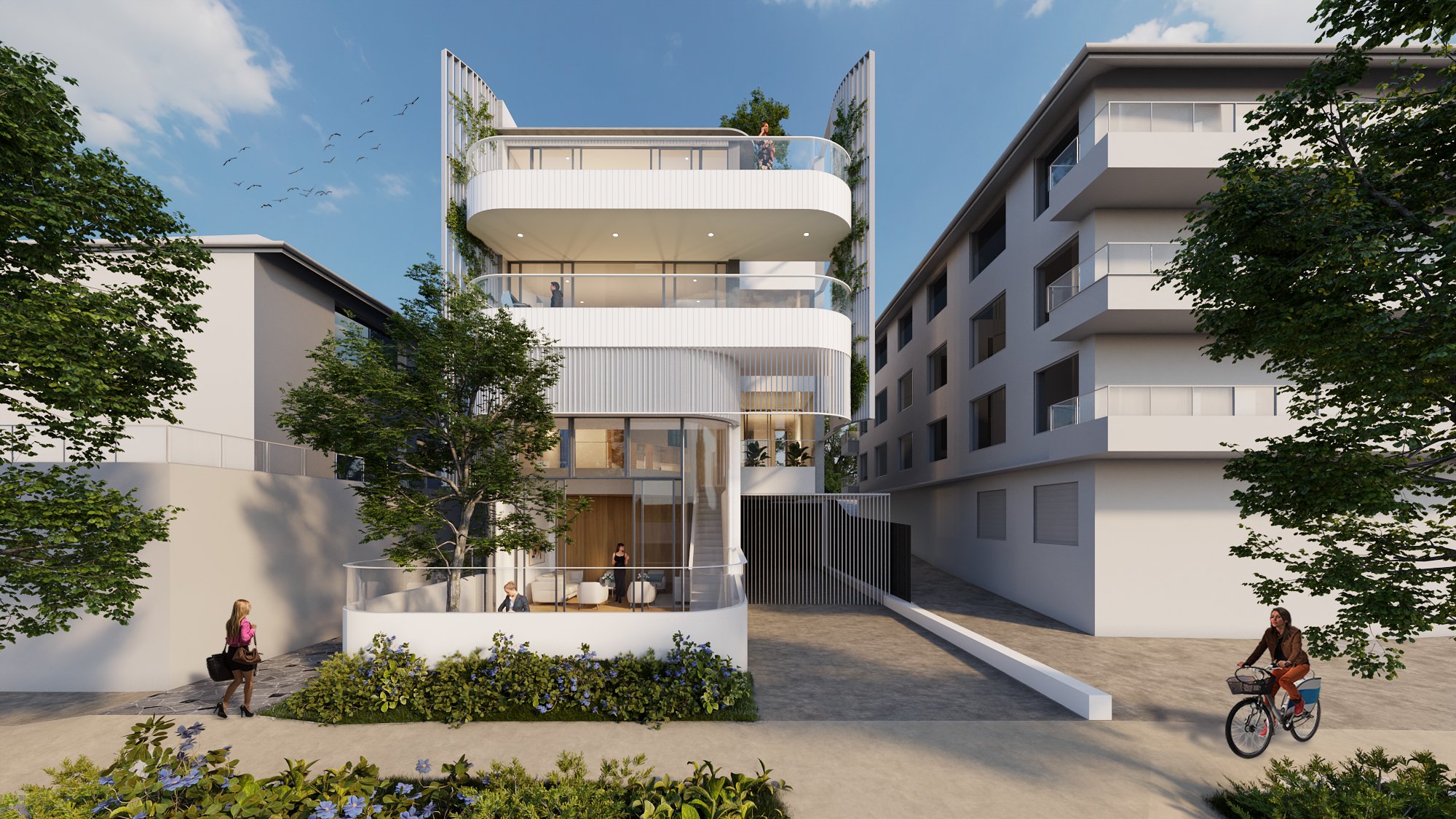
Design at the Heart of NSW’s Housing Push
Sydney, April 2025 – A strong advocate for the NSW Government’s design-led housing policy, Sydney architect Sherif Saad has welcomed the initiative but warns that any rollout of low and mid-rise homes must prioritise good design to ensure long-term liveability.
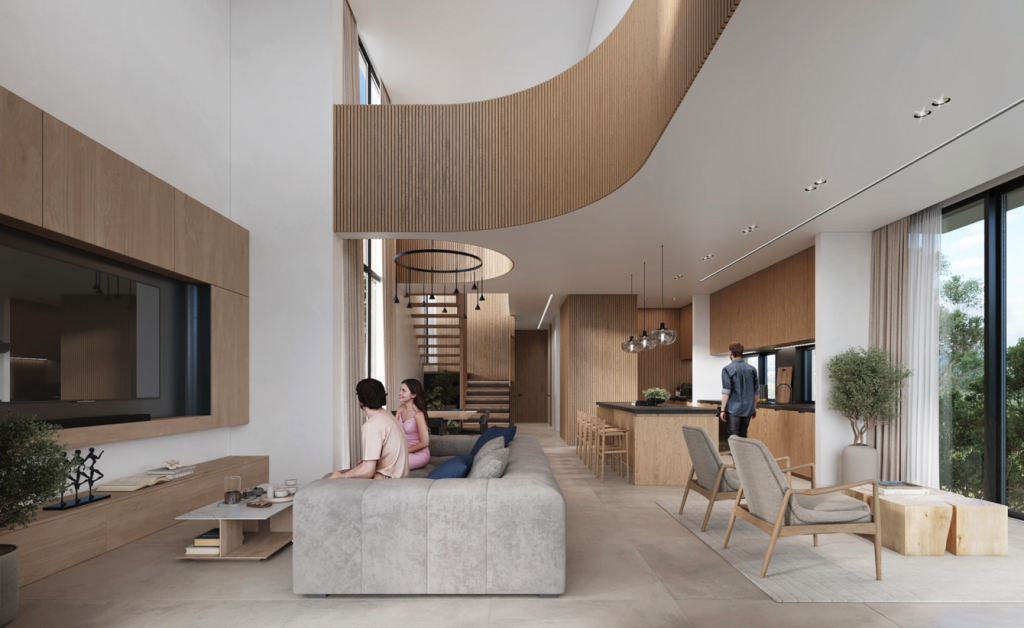
Example of dual-occupancy architecture with modern design (Image: ArtMade Architects)
“Good design will be central to the success of this new approach to density,” Sherif said.
Supporting Density, With Design Front and Centre
Sherif Saad, Director of ArtMade Architects and a long-time advocate for dual-occupancy and townhouse developments, supports the push for greater housing supply through medium-density projects. However, he says the policy’s success will depend on how well new homes are designed.
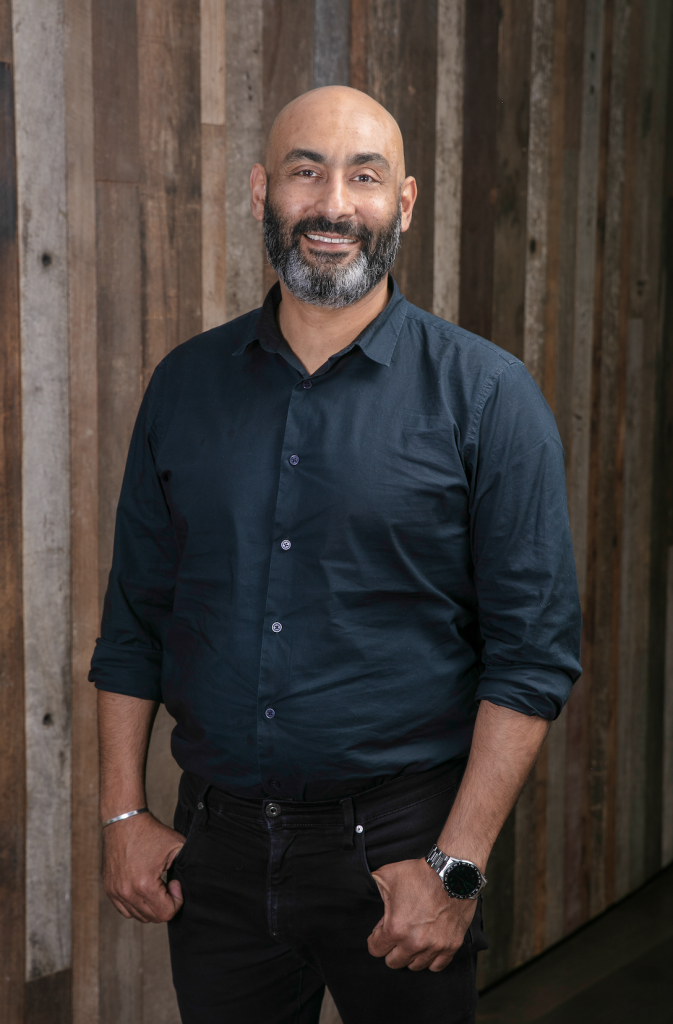
(Image: Thomas Dalhoff)
Balancing Form, Function and Liveability
“On smaller lots, function and form must be carefully balanced,” Sherif says. “First and foremost, every space has to work well. That requires a meticulous design approach that delivers good access to natural light and cross-ventilation, whilst maximising circulation between internal spaces and creating connections to the outdoors.”
Sherif believes well-designed homes can deliver luxury and livability, regardless of scale.
“If a dual-occupancy, terrace or townhouse is well designed, the home should enhance the way residents live and provide them with opportunities, not compromises.”
Learning From the Past to Shape the Future
Working from his Surry Hills office, Sherif sees first-hand the risks of introducing density without strong design frameworks. He points to older inner-city suburbs like Redfern, Balmain and Newtown as cautionary tales where rapid development compromised liveability.
“Many of the oldest homes here have limited outdoor areas and small internal spaces,” Sherif says. “From the outside looking in, the streetscapes can feel overcrowded with homes tucked tightly together.
“Granted, some of these homes are now prized for their cultural and heritage significance but they were not designed for the way we like to live today.”
A Call for Design Excellence and Collaboration
Sherif believes the current policy presents a rare opportunity to rethink medium-density living and calls for designs that not only respond to but enrich the neighbourhoods they inhabit.
To support this, Sherif is advocating for greater use of local design review panels and more visibility for successful low- and mid-rise housing case studies. This, he says, would help foster design excellence and encourage architects to push creative boundaries.
About the Policy
The NSW Government rolled out the second phase of its Low and Mid-Rise Housing Policy on 28 February, aimed at easing housing shortages while promoting more sustainable urban growth.
Disclaimer
The information presented in this article is for general informational purposes only and should not be relied upon as legal, financial, or professional advice. While every effort has been made to verify the accuracy of this information, readers are encouraged to independently confirm any details and seek advice from relevant professionals. The Australian Development Review does not own the rights to the information included within this article, and no infringement is intended from the use of included text and images.
